Fashion has always drawn inspiration from the world around us. From architecture and art to culture and nature, designers continuously explore new sources of creativity to shape evolving trends. In recent years, one of the most influential inspirations has been nature itself. Earth-inspired colors, organic aesthetics, and natural themes have become increasingly visible across the fashion industry, influencing everything from everyday clothing to occasion wear.
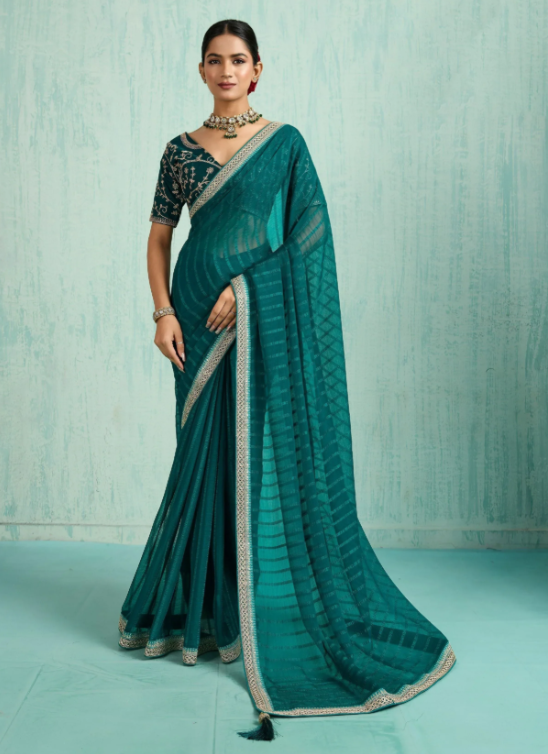
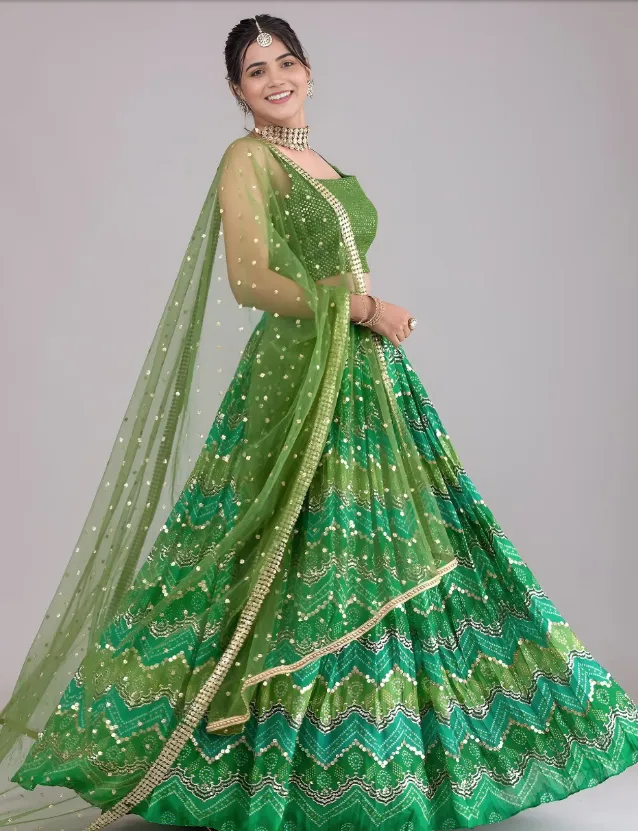
Within ethnic fashion, this movement is reflected in the growing popularity of the Green Saree and Green Lehenga Choli. Green has emerged as more than just a seasonal color trend. It represents a broader appreciation for nature-inspired design and a shift toward fashion choices that feel timeless, versatile, and connected to the natural world.
How Nature Continues to Influence Fashion
Nature has long served as a source of inspiration for designers. Landscapes, flowers, forests, and natural textures have influenced color palettes and design concepts across generations.
Today, this influence is becoming even more visible as consumers increasingly appreciate aesthetics that feel balanced and authentic. Rather than focusing exclusively on bold trends, many people are drawn to styles that create a sense of harmony and sophistication.
This shift has encouraged greater interest in colors inspired by the natural environment. Shades associated with greenery, earth, and organic elements are becoming important components of contemporary fashion collections.
The growing popularity of green in ethnic wear reflects this broader design movement.
Why Green Has Become a Standout Color
Color trends often evolve in response to changing consumer preferences. While vibrant shades continue to play an important role festively, green has gained attention because of its versatility and visual appeal.
A Green Saree can appear elegant, refreshing, and sophisticated depending on the shade and design. It offers a distinctive alternative to more traditional color choices while remaining suitable for a wide range of occasions.
Another reason for its popularity is its adaptability. Green works effectively with various fabrics, embellishments, and design styles, making it a valuable choice for both contemporary and traditional garments.
This flexibility has helped establish green as one of the most influential colors in modern ethnic fashion.
The Rise of Earth-Inspired Color Palettes
Fashion trends increasingly reflect a preference for natural aesthetics. Consumers are showing greater appreciation for color palettes inspired by landscapes, botanical elements, and organic textures.
Earth-inspired tones often create a sense of timelessness because they are not strongly tied to short-lived trends. Instead, they maintain their appeal across changing fashion cycles.
The success of garments such as the Green Lehenga Choli highlights how these natural influences are shaping ethnic wear. Designers are embracing green as a way to introduce freshness and sophistication without relying on highly trend-driven color choices.
As a result, nature-inspired palettes continue to gain momentum within the fashion industry.
Sustainability and Changing Fashion Preferences
The growing appreciation for nature-inspired fashion is also connected to broader conversations about sustainability and mindful consumption. While color alone does not determine sustainability, many consumers are increasingly interested in fashion that reflects a closer connection to nature and long-term value.
This shift has encouraged designers to create collections that emphasize timeless appeal rather than temporary trends. Natural color palettes often support this approach because they remain relevant across seasons and occasions.
The popularity of green demonstrates how consumer preferences are evolving toward fashion that feels enduring and versatile.
As attitudes toward consumption continue to change, nature-inspired aesthetics are likely to remain influential.
How Traditional Fashion Adapts to Modern Trends
One of the strengths of ethnic wear is its ability to evolve while maintaining cultural significance. Traditional silhouettes continue to remain popular, but designers regularly introduce fresh perspectives through color, fabric, and design innovation.
The Green Saree and Green Lehenga Choli illustrate this process effectively. While the garments themselves are rooted in tradition, contemporary color interpretations help them remain relevant to modern consumers.
This balance between heritage and innovation allows ethnic fashion to evolve without losing its identity.
It also demonstrates how color can play a major role in refreshing familiar styles.
The Future of Nature-Inspired Ethnic Fashion
As fashion continues to evolve, nature-inspired influences are expected to remain an important source of creativity. Consumers increasingly value versatility, authenticity, and timeless appeal, all of which align naturally with organic design themes.
Designers are likely to continue exploring earth-inspired colors and aesthetics, incorporating them into both traditional and contemporary collections.
The growing popularity of green suggests that natural influences will continue shaping the future of ethnic fashion, offering consumers elegant alternatives that feel both modern and enduring.
Final Thoughts
The rising popularity of the Green Saree and Green Lehenga Choli reflects the growing influence of nature-inspired fashion within the ethnic wear industry. As consumers seek styles that balance elegance, versatility, and authenticity, natural color palettes are becoming increasingly relevant.
By drawing inspiration from the natural world, designers are creating garments that feel timeless while remaining connected to contemporary fashion trends. The success of green in ethnic wear demonstrates how nature continues to inspire innovation, ensuring that traditional fashion evolves in meaningful and creative ways.