
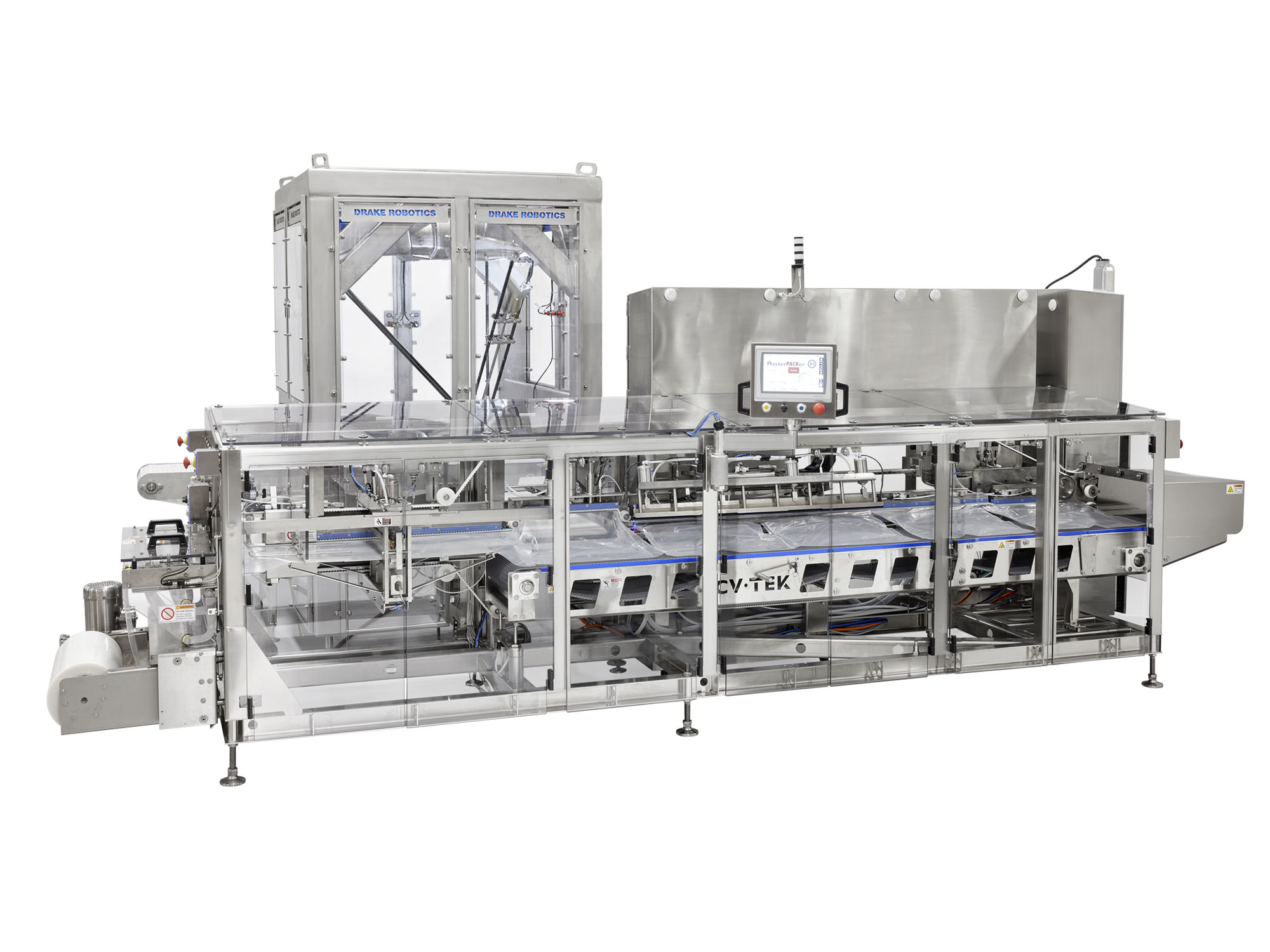
MAP Machines are revolutionizing the food packaging industry by extending the freshness and shelf life of products. These machines use a controlled atmosphere to replace the air inside packaging with a mixture of gases like nitrogen and carbon dioxide, which slows down spoilage and preserves taste. They are widely used for perishable foods such as meat, cheese, and baked goods. Businesses benefit from reduced waste and improved product quality. By maintaining consistent freshness, companies can reach more markets without compromising on quality, making MAP Machines a smart investment for modern packaging needs.
Streamlining Production with MAP Packaging Machines
MAP Packaging Machines offer efficient and automated solutions for food packaging lines. These machines are designed to handle high-volume production while maintaining precision and hygiene standards. They can package different sizes and types of food without slowing down the production line, ensuring that businesses meet market demands. Operators benefit from intuitive controls and quick-change features, reducing downtime. With minimal human intervention, these machines improve efficiency and reduce errors. Companies adopting MAP Packaging Machines experience faster packaging cycles, consistent product quality, and cost savings in both labor and materials.
Enhancing Food Safety and Hygiene
One of the key advantages of using MAP technology is improved food safety. The controlled atmosphere prevents bacterial growth and contamination, ensuring that packaged foods remain safe for consumers. These machines are designed to comply with strict hygiene standards, minimizing direct contact with products. For businesses, this reduces the risk of recalls and enhances brand reputation. Regular maintenance and cleaning of MAP Machines are straightforward, making it easier for operators to maintain high standards. This focus on safety and hygiene makes MAP packaging a reliable choice for companies prioritizing consumer trust and product quality.
Customizable Solutions for Diverse Packaging Needs
MAP packaging systems are versatile and adaptable to different products and packaging styles. Whether it is trays, pouches, or vacuum packs, these machines can be adjusted to accommodate varying sizes and shapes. This flexibility allows businesses to package a wide range of products without investing in multiple machines. Many MAP Packaging Machines come with programmable settings, enabling easy switching between products. This adaptability saves time, reduces material waste, and ensures a consistent appearance of packaged goods. Companies can efficiently manage multiple product lines with a single system, enhancing overall operational efficiency.
Energy Efficiency and Sustainability
Modern MAP Machines are designed with energy efficiency in mind. They consume less power compared to traditional packaging equipment, reducing operational costs. The use of minimal packaging materials and precise gas usage also contributes to sustainability efforts. Companies looking to reduce their carbon footprint find MAP Packaging Machines a practical solution. These machines not only optimize resource use but also help in meeting environmental regulations. By combining energy efficiency with advanced technology, businesses can achieve greener operations without compromising on performance or packaging quality.
Conclusion
Investing in MAP Machines and MAP Packaging Machines is a strategic step for businesses aiming to improve product shelf life, efficiency, and safety. These machines deliver consistent quality, reduce waste, and provide flexibility for diverse packaging needs. By integrating automated and hygienic packaging systems, companies can meet growing market demands while maintaining operational excellence. The energy-efficient design also supports sustainable practices, aligning business operations with environmental goals. Overall, adopting MAP technology enhances competitiveness, ensures customer satisfaction, and strengthens the reliability of packaged food products, making it an essential solution for modern food production and distribution.