
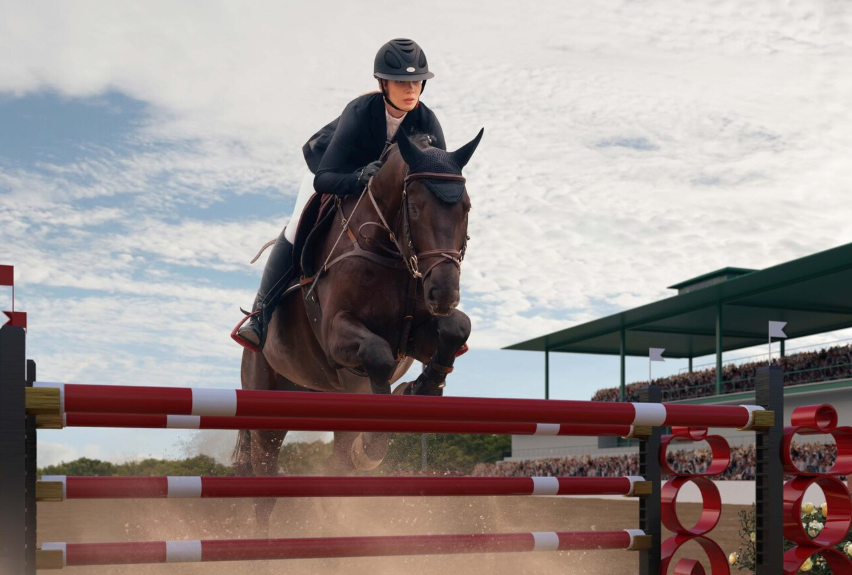
Horses are remarkable athletes, and understanding the variety of jumps they can navigate is essential for both training and competitive success. Each jump challenges the horse’s agility, balance, and confidence, while also testing the rider’s skill and timing. From simple cross-rails to more complex obstacles, different types of jumps help develop strength, coordination, and trust between horse and rider. Incorporating a range of jump styles ensures a well-rounded training program and prepares the horse for the dynamic demands of competitions.
For riders focusing on consistent improvement, using schooling horse jumps is a practical way to introduce new challenges in a controlled and gradual manner. These jumps allow horses to practice techniques, build stamina, and refine their form safely. Gradually increasing difficulty helps both horse and rider gain confidence, making the transition to competition jumps smoother and more effective.
Vertical Jumps
Vertical jumps are the most straightforward obstacles in horse jumping. They consist of poles or planks stacked directly above each other without any spread, meaning the horse must jump straight up with precision. These jumps teach horses to lift their legs high and maintain balance while encouraging riders to control their horses’ stride and approach. Because of their simplicity, vertical jumps are often the introduction point for young horses and novice riders.
Oxers
Oxers introduce a horizontal element to jumping. Made of two verticals placed close together, they create a wide spread that requires horses to jump both high and long. Oxers are used to increase the scope and athleticism of a jumper and come in several variations:
- Square Oxer: Both poles are the same height, ensuring accurate testing and power.
- Ascending Oxer: The back pole is higher, encouraging extension and rounding.
- Descending Oxer: Less common for safety, with a higher front pole.
Triple Bar
Triple bar jumps are a specialized form of oxer. They are wider and employ three horizontal poles set at increasing heights, forming a visually impressive obstacle. The horse must sustain both momentum and energy to clear the entire spread. For advanced jumpers, triple bars teach full extension, encourage bold jumping style, and help refine the horse’s takeoff and landing technique.
Water Jumps
Water jumps, or Liverpools, are a psychological challenge with a vast water pool, sometimes edged by a vertical jump, demanding the horse leap entirely over to avoid getting wet. Their intimidating appearance tests the rider’s boldness, requiring a steady approach. Success relies on clear communication and preparation, making them common in advanced and cross-country courses.
Wall Jumps
Wall jumps are designed to resemble solid barriers, often styled to mimic brick or stone but constructed from stacked planks or blocks. Horses must have confidence to tackle these imposing obstacles, and riders need steady hands and a clear plan to encourage the horse without losing momentum. Wall jumps build mental fortitude and trust between horse and rider, valuable traits for navigating real-world barriers and unexpected elements in outdoor courses.
Brush Fences
Brush fences have a solid lower part topped with dense brush or shrubbery, encouraging horses to jump through rather than over in a flatter arc. Common in steeplechase racing, they help horses conserve energy and teach them not to overreact to unusual textures or surfaces, preparing them for variable outdoor environments.
Cavaletti
Cavaletti are versatile tools for foundational training, helping horses learn rhythm, stride, and coordination without strain. They can be used on the ground or as small jumps, ideal for young horses or those recovering from injury. Cavaletti aid in groundwork and flatwork, improving body awareness and rider communication.
Airs Above the Ground
The “airs above the ground,” or haute école movements, are the pinnacle of classical dressage, performed by esteemed schools like the Spanish Riding School in Vienna. These include maneuvers like the courbette, capriole, levade, and ballotade—complex jumps where horses leap and balance midair. While less common in everyday jumping, they showcase athleticism, training, and partnership—qualities that are relevant across all jumping disciplines.
Final Takeaways
Understanding different types of horse jumps enhances training and competition. From verticals and oxers to advanced obstacles like triple bars and airs, each jump targets various athletic skills, confidence, and coordination. Incorporating a mix—including schooling jumps—helps riders strengthen bonds, refine techniques, and prepare for diverse challenges. A thoughtful approach ensures safe progress and mastery of the jumping skill.