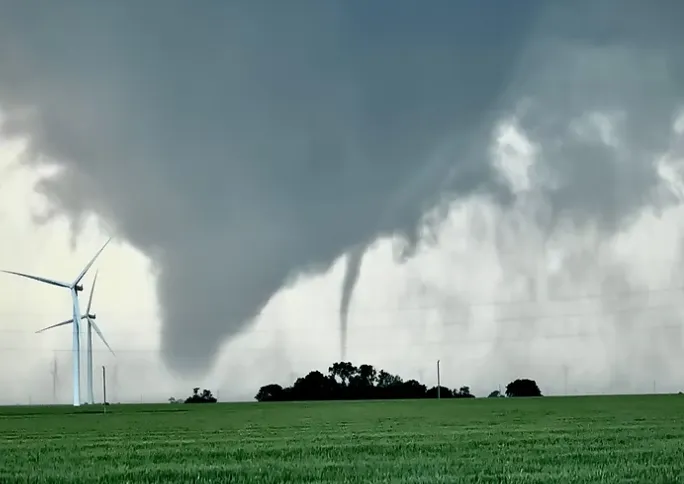
Storm chasing is not a casual road trip. It calls for planning, skilled drivers, strong vehicles, and a clear eye on changing weather. For people booking tornado tours 2027, the vehicle can shape the whole day. A modified chase vehicle gives the crew room for weather tools, cameras, maps, and safety gear while still handling long miles on open roads. Good design matters when roads turn wet, winds rise, or traffic slows. The right setup keeps the trip focused on weather, not vehicle problems, and that makes each chase more useful and memorable.
Modified Vehicles Make Storm Chasing Better
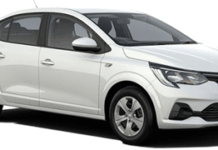
A chase vehicle needs more than a bold look. It must handle long drives, rough roads, sudden stops, and changing weather with steady control. Many tour vehicles use stronger tires, upgraded suspension, extra lighting, and added storage. Some also carry radios, weather screens, power systems, and camera mounts. These changes help the crew work while moving between viewing areas. Comfort counts too. A full day in the field can mean hours on the road. Seats, cooling, shade, and easy access to gear can make a real difference when the storm day runs long.
Smart Tools Help Track Storms
Storm work depends on timing, and that starts with knowing where the storm may move. During tornado chasing tours 2027, crews may track radar, alerts, road conditions, and storm structure at the same time. A well-built vehicle supports this work with stable power, secure mounts, clear displays, and good communication tools. Nothing should block the driver’s view. The driver must stay focused on the road while another crew member handles data. That simple split can reduce stress and help the team make safer choices when weather changes faster than expected.
Safety Features Matter on Every Trip
Good chase vehicles create a safer space for passengers. Safety gear may include first aid kits, fire extinguishers, seat belts, emergency lights, and communication devices. The vehicle should have enough space for riders to sit securely without loose gear becoming a hazard. Route planning matters just as much. Drivers need to know alternate roads, fuel stops, and places where the group can move away from danger. A storm tour should never depend on getting close to a tornado. The goal is to observe weather from a safer position and leave when conditions call for it.
Reliable Vehicles Support Long Chase Days
Weather tours can cover many miles in one day, often across open country with few services nearby. That makes vehicle reliability a major part of the trip. Before departure, crews can check tires, brakes, fluids, lights, batteries, and communication systems. Spare supplies should be easy to reach, not buried under bags. Fuel planning is important too, especially when a storm changes the route. Small details can save time later. A clean layout helps everyone find what they need quickly. When the vehicle works well, the crew can give more attention to the sky and road ahead.
Comfort And Storage Improve the Experience
Modified vehicles are useful because they turn a normal road trip into a mobile weather workspace. Still, the best setup is not the one with the most equipment. It is the one that fits the tour, crew, and route. A simple system can be easier to manage than a cabin packed with gadgets. During tornado tours in 2027, passengers may spend hours moving between storm targets, waiting for updates, or driving around blocked roads. Comfort, visibility, storage, and dependable power matter more than flashy extras. Smart design keeps the experience practical from start to finish.
Choose Tours with Strong Safety Plans
Choosing a tour means looking beyond the vehicle itself. Ask how the company plans routes, monitors storms, manages passengers, and handles sudden changes. A good operator should explain safety rules before the trip and make clear that tornado viewing has limits. Vehicle condition matters, but so do driver skill, weather knowledge, communication, and daily planning. For anyone comparing tornado chasing tours in 2027, these details can reveal more than a polished photo. The strongest trips balance learning, careful travel, and clear safety choices. That balance helps passengers enjoy the storm without treating danger as entertainment.
Conclusion
A well-built chase vehicle can make a major difference on a long weather trip. It gives the crew room to work, keeps key tools close, and supports steady travel when plans change. Yet equipment alone does not create a good tour. Safe driving, trained guides, sound weather decisions, and clear passenger rules matter just as much. When comparing future trips, look for practical design and careful planning rather than extreme claims. Stormchasing.com can be a useful place to explore tour information, vehicle details, and ways to prepare for a responsible storm chasing experience in 2027.