
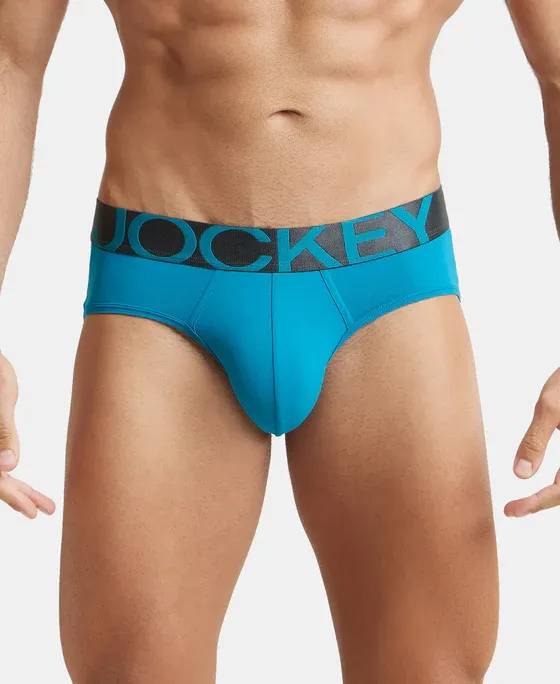
Travel often exposes small weaknesses in a wardrobe. Long bus journeys, delayed flights, warm railway platforms and packed itineraries make comfortable basics especially valuable. Innerwear may occupy little luggage space, but choosing the wrong cut or packing too few pairs can create avoidable inconvenience. A useful travel strategy considers journey length, climate, laundry access and the amount of movement expected. With these details in mind, men can pack lighter while still feeling prepared.
Map the Journey Before Counting Pairs
A two-day business trip and a week of outdoor sightseeing call for different packing plans. Count the days away, consider whether laundry facilities will be accessible and allow for unexpected delays. Warm destinations or active schedules may require more changes than a mostly indoor visit. Packing by actual use avoids both extremes: carrying excessive garments and running short midway through a trip. A small breathable laundry pouch can also keep worn items separate from clean clothing.
Choose Cuts for Hours of Sitting
Long periods in a car or aircraft can amplify pressure from narrow waistbands or leg openings. A familiar, well-fitting cut is usually a safer travel choice than an untested purchase. Evaluate how briefs sit while seated, not only while standing. If an edge folds or digs during an ordinary commute, it may become more noticeable on a longer journey. Comfortable clothing supports the trip by reducing the need for repeated adjustments.
Look Closely at Traditional Brief Designs
Some travellers prefer the minimal leg coverage and straightforward construction of classic briefs. When considering vip frenchie plus, check the actual pack contents, material and size details rather than relying on memories of another style. Even garments from familiar labels can differ in rise and waistband feel. A practical travel item should remain secure under the trousers you intend to pack and should be easy to care for using the facilities available.
Understand Fabric Technology Without Overpromising
Synthetic performance fabrics are sometimes selected for a smooth feel or certain moisture-management features. A product such as jockey ic27 is described with stretch microfibre and moisture-moving treatment, but comfort still depends on individual fit and the conditions of wear. A technical fabric is not automatically the best choice for every traveller. Consider how it feels against skin, whether it suits the destination climate and what the care instructions require.
Keep Hygiene Simple on the Road
Travellers may encounter limited drying space, unpredictable weather or shared accommodation. Carry clean garments in a separate compartment, and do not pack damp clothing into sealed luggage for extended periods. If washing by hand, use a suitable mild detergent and allow enough time for complete drying. Follow garment labels rather than assuming every material can tolerate hot water. These straightforward habits help preserve both freshness and fabric condition during the journey.
Test New Purchases Before Departure
A departure morning is a poor time to discover that a new waistband feels restrictive. Wear recently purchased travel basics for a normal day before packing them. Walk, sit and bend to check fit, then wash them according to the label. This modest trial reveals issues that might not appear during a brief fitting. Save unfamiliar styles for a later trip if they have not been tested, especially when replacements will be difficult to find. For trips that involve several destinations, consider changes in humidity and access to clean water. A brief stopover can complicate laundry planning, so a little extra preparation is often more valuable than packing another outerwear outfit.
Pack Around the Outfits You Will Repeat
Many travellers bring a small number of trousers and rotate tops. Innerwear, however, should be planned around daily hygiene rather than outerwear repetition. Organise sets by day if that makes packing easier, and place one spare pair in accessible hand luggage when appropriate. This can be especially useful during delays or misplaced baggage. The best packing method is not elaborate; it simply makes clean essentials easy to locate when plans change.
Conclusion
Comfortable travel depends on preparation in details that are easy to overlook. Selecting familiar cuts, allowing for laundering conditions and testing new garments before departure can make long journeys more pleasant. Packing efficiently is about reliability rather than chasing specialised equipment for every situation. Men planning everyday or travel-ready innerwear purchases can review relevant product descriptions at siomestore.com, then choose pieces that suit their itineraries and personal preferences.