
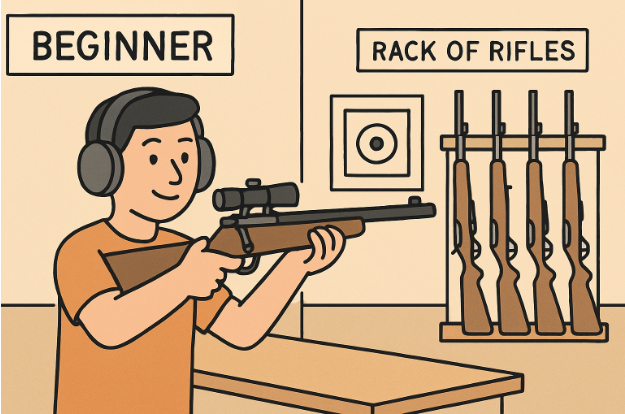
Key Takeaways
- Identify the primary purpose for your rifle, which helps determine the best style and features for you.
- Select a caliber based on the type of shooting you’ll do and your comfort with recoil.
- The right rifle fit enhances accuracy, control, and confidence.
- Budget realistically for both the rifle and necessary accessories, such as optics and safety gear.
- Quality optics are crucial for precision and enjoyment, especially as your skills grow.
Choosing your first rifle can be both exciting and daunting, especially with the many options on the market. Understanding the essentials is key to making a smart purchase and ensuring your safety and enjoyment with your new firearm. There are many local and national retailers where you can browse a wide array of hunting rifle Canada, making it easier than ever for beginners to get started. Taking the time to educate yourself about rifles is fundamental to making a confident and informed choice that suits your shooting goals.
Equipping yourself with the right knowledge helps you avoid common mistakes first-time buyers make, such as selecting the wrong caliber or overlooking the rifle’s fit for your body type. Whether you’re interested in pursuing hunting, recreational target shooting, or even home defense, the decisions you make at the beginning of your rifle journey lay the groundwork for success and satisfaction. Beginning with a clear understanding of your purpose and the core features of different firearms streamlines the selection process, leading to better long-term results.
Many beginners also find value in consulting experienced shooters, joining local shooting clubs, or visiting ranges to test different rifles for comfort and performance. These first steps not only help you select the right firearm but also introduce you to foundational shooting techniques and safety practices, setting the stage for many enjoyable experiences ahead.
Define Your Purpose
The first step in selecting a rifle is clarifying how you plan to use it. Will your rifle primarily serve for hunting, casual target shooting, or home defense? Each of these goals points toward different styles and configurations. For example, many hunters prefer a sporting rifle or a lightweight bolt-action model for its portability and ease of handling in the field. In contrast, competitive shooters or those focusing on long-range accuracy may prefer a heavier, more stable platform designed to reduce recoil and maximize precision.
Determining your needs up front will prevent you from purchasing a rifle that’s ill-suited for your intended activities. If your interests shift over time, this foundational choice gives you a reference point for future upgrades or new firearm purchases.
Choose the Right Caliber
Caliber is one of the most crucial specifications to understand for beginners. It refers to the diameter of the barrel and, consequently, the size of the bullet the rifle shoots. The right caliber depends on your intended shooting purpose, your physical build, and your personal preferences regarding recoil. For those starting out, it’s wise to opt for calibers known for manageable recoil and affordable ammunition:
- .22 LR: This popular beginner caliber is cheap, low-recoil, and excellent for plinking or small game hunting.
- .223 Remington/5.56 NATO: With moderate recoil, these rounds are suitable for varmints, target shooting, and introductory centerfire training.
- .308 Winchester: Heavier and more powerful, .308 is favored for deer and larger game, but it’s best tackled only after gaining confidence with lighter calibers (see more on popular rifle cartridges).
Starting with a user-friendly caliber allows you to build skills before graduating to more powerful options.
Ensure Proper Fit
Fit is a vital aspect of rifle selection that significantly affects comfort, accuracy, and control. Key factors in rifle fit include:
- Length of Pull: This is the distance from the trigger to the end of the buttstock. It should allow for easy and comfortable shoulder placement, as well as unrestricted trigger access.
- Weight: While lighter rifles are easier to carry in the field, they may translate to increased perceived recoil. Heavier rifles help manage kick, but can fatigue new shooters more quickly.
- Stock Design: Adjustable stocks can help shooters of differing statures find a more personalized and secure fit.
It’s best to try a few rifles in person, using live fire or simulated practice, to determine which configuration feels most comfortable for your build and shooting style (learn more about rifle fit and ergonomics).
Set a Realistic Budget
Budgeting for your first rifle extends beyond just the sticker price of the firearm. You’ll also need to account for accessories such as a case, cleaning kit, scope, and practice ammunition. Quality entry-level rifles are available at a variety of price points, and it’s wise to strike a balance between reputable brands and reasonable costs. Spending a bit more up front on a proven, reliable rifle brings value in terms of safety, durability, and accuracy over time.
Invest in Quality Optics
Investing in quality optics enhances both accuracy and the enjoyment of your shooting practice. A dependable scope or red dot sight makes engaging targets at varied distances far more manageable, especially for new shooters. Consider the following when choosing optics:
- Select a magnification suited to your typical shooting range—lower for short distances, higher for long-range accuracy.
- Look for clear lenses, sturdy construction, and reliable adjustment mechanisms.
- Ensure the optic’s mounting system is compatible with your rifle’s rail or base system.
While many new shooters may be tempted to save on optics, a reputable scope can make a lasting difference as your skills progress.
Practice and Seek Training
Ultimately, proficiency is achieved through practice and education. Regular trips to the range help reinforce firearm safety, hone your technique, and build confidence. Consider taking an introductory firearms safety course or joining a local shooting club where you can receive guidance from experienced shooters and certified instructors. Learning the fundamentals under supervision accelerates your skill development and ensures that you practice responsible gun ownership in all settings.
Final Thoughts
Selecting your first rifle is a process best approached with patience and thoughtful consideration. Define your purpose, understand basic calibers, emphasize a proper fit, and budget accordingly for both the rifle and vital accessories. Invest in optics that match your shooting style and don’t hesitate to seek out training opportunities. By applying these rifle selection tips, beginners can enjoy a safe and rewarding start to their shooting journey.