
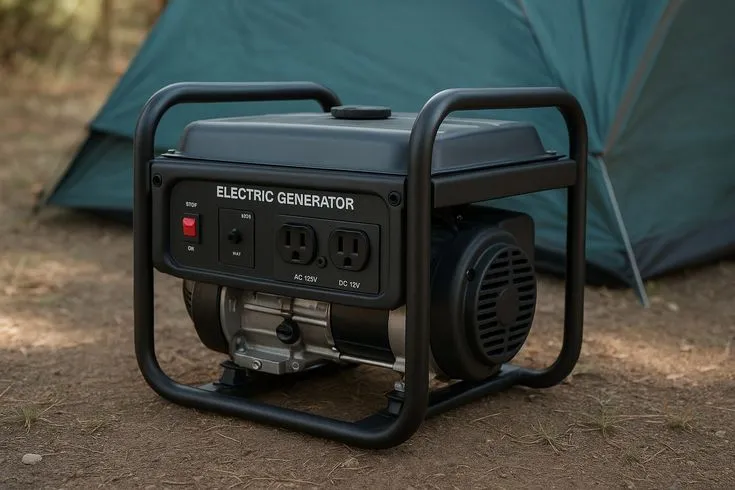
When utility electricity becomes unavailable, a portable generator can help maintain selected household appliances and essential equipment. However, choosing the right model involves more than selecting the highest advertised wattage. Fuel availability, starting requirements, operating noise, and safe installation all influence whether a generator will meet a household’s needs. Researching Portable generators for home backup can help homeowners understand these differences before making a purchase. A practical selection process begins by identifying essential electrical loads and determining how the generator will be operated safely during an outage.
Calculate the Power Needed for Essential Appliances
Before comparing models, list the appliances that may operate during an outage. Refrigerators, selected lights, communication devices, and heating-system components may have different electrical requirements. Running watts describe the power equipment needs during normal operation. Some appliances also require higher starting watts for a short period when motors begin operating.
Check manufacturer labels and documentation rather than relying entirely on generic estimates. Adding the relevant requirements helps determine whether a generator can safely support the intended combination of appliances.
Understand Conventional and Inverter Generators
Conventional portable generators typically use an engine and alternator to produce electricity. Inverter generators process electrical output electronically and can adjust engine operation according to demand on certain models.
Inverter generators may offer lower noise and improved fuel efficiency under particular conditions. However, performance varies considerably among products.
Conventional models may provide higher power ratings at certain price points, making them worth evaluating for larger loads. Neither category is automatically superior. The choice depends on required output, budget, portability, and operating conditions.
Compare Fuel Options and Availability
Gasoline-powered generators are widely available, but gasoline storage and engine maintenance require attention. Propane-compatible models provide another fuel option, with performance and runtime depending on their design.
Dual-fuel generators can operate using more than one supported fuel type. Some larger portable models also support natural gas, although connections and installation requirements must be evaluated carefully.
The selected fuel should be practical to obtain and store safely. A generator with flexible fuel options can be useful, but flexibility does not eliminate supply shortages during widespread emergencies.
Consider Important Generator Features
Generator specifications should be compared according to household needs rather than the number of advertised features.
Useful considerations include:
-
Rated running and starting wattage.
-
Fuel capacity and estimated runtime at stated loads.
-
Available outlets and electrical protection features.
-
Equipment weight and transportation requirements.
-
Manufacturer maintenance instructions.
-
Noise ratings measured under identified conditions.
-
Availability of service support and replacement parts.
Look carefully at the conditions behind published performance figures. Runtime and noise specifications may be measured using different loads and testing arrangements.
Noise and Placement Affect Everyday Practicality
Even when a generator provides sufficient electricity, operating noise may create problems for occupants and neighbouring properties. Engine type, enclosure design, distance, and electrical load can influence the sound produced.
However, noise reduction must never compromise ventilation. Fuel-powered generators must operate outside, well away from openings into occupied buildings.
The CDC recommends positioning portable generators at least 20 feet from doors, windows, and vents, with exhaust directed away from the building. A generator must never be placed inside a garage or other enclosed area, even with a door open.
Plan the Electrical Connection Properly
Portable generators can supply compatible appliances through suitable manufacturer-approved connections. However, powering existing household circuits requires special consideration.
Never connect a generator to a wall outlet to supply the building. This dangerous practice can create electrical backfeed and endanger people working on utility lines.
A qualified electrician can evaluate an appropriate transfer switch, interlock arrangement where permitted, or other compliant equipment. Electrical connection requirements depend on the generator, property, and applicable codes.
Understand Maintenance Responsibilities
Portable generators require more attention than simply filling the fuel tank. Depending on the model, maintenance may include oil checks, air-filter care, spark-plug inspections, and periodic operation.
Gasoline left in equipment for extended periods can also create storage-related problems. Follow the manufacturer’s instructions for fuel stabilisers, draining procedures, and long-term storage.
Before purchasing, review the maintenance schedule and ensure replacement parts can be obtained. A generator that cannot be maintained properly may become unreliable when it is most needed.
Evaluate Total Ownership Costs
The purchase price represents only one part of generator ownership. Fuel, maintenance supplies, electrical installation, approved accessories, and protective storage equipment may create additional expenses.
Some households may need professional electrical work before safely integrating a portable generator into existing circuits. Others may choose to supply only a small number of appliances directly.
Comparing realistic ownership costs makes it easier to select a system appropriate for the available budget.
Conclusion
Choosing a portable generator requires balancing electrical capacity, fuel arrangements, operating conditions, maintenance, and installation costs. The most powerful model is not always the most suitable for every home. Generator Life offers educational information that helps readers understand generator types, specifications, and backup power planning. Homeowners should combine this research with verified appliance requirements, manufacturer instructions, and advice from qualified electricians when necessary. A carefully selected and properly operated generator can support essential household activities during outages without introducing avoidable safety risks.
