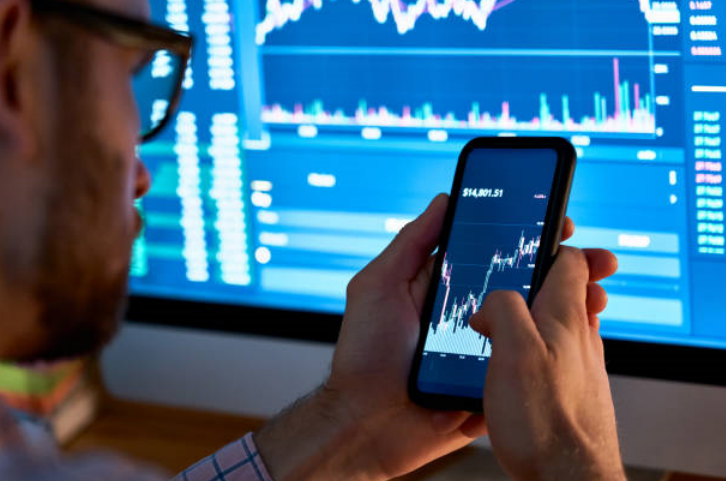

Entering the cryptocurrency market often begins with a simple question: where should someone make their first purchase? With numerous digital assets, different trading fees, and unfamiliar terminology, choosing an exchange requires more thought than opening an account and placing an order. People searching for the Best Place To Buy Cryptocurrency should consider how a platform operates, what protections it offers, and whether its features match their experience. Understanding these details early can help new buyers avoid unnecessary costs, confusing decisions, and common trading mistakes.
Understand How Cryptocurrency Exchanges Work
A cryptocurrency exchange connects buyers and sellers through a digital trading environment. Depending on its services, users may purchase digital assets, exchange one cryptocurrency for another, or access additional trading products. Centralized exchanges typically manage account infrastructure, execute orders, and provide interfaces for monitoring balances and transactions. Their processes may involve identity verification, account security checks, and different deposit or withdrawal arrangements.
Not every exchange operates identically. Some concentrate on straightforward purchases, while others offer advanced order types, derivatives, and analytical tools. Beginners benefit from identifying which features they actually need before exploring more complicated trading options.
Examine Security Before Opening an Account
Security deserves attention because cryptocurrency transactions can be difficult or impossible to reverse. Choosing a platform involves more than checking whether its homepage appears professional. Users should investigate available authentication methods, withdrawal confirmation procedures, account recovery processes, and explanations of how customer assets are handled. They should also understand which security responsibilities remain with the account holder.
Strong personal habits are equally important. Unique passwords, secure devices, and careful verification of website addresses can reduce exposure to common scams.
Even platforms advertising sophisticated security measures cannot eliminate every possible risk. Buyers should avoid assuming their funds are protected against all forms of loss simply because an exchange describes itself as secure.
Compare Trading Costs and Accessibility
Transaction costs can significantly affect smaller purchases, particularly when users trade frequently or move funds between services. Comparing headline trading fees alone may not reveal the complete expense. Someone researching the Best Cryptocurrency Trading Platforms should examine the full transaction process, including available payment methods, trading spreads, withdrawal charges, and possible conversion costs.
The most useful comparison depends on how an individual intends to use the exchange. A person making an occasional Bitcoin purchase may have different priorities from someone regularly exchanging several cryptocurrencies. Ease of navigation also matters. Clear account dashboards, understandable transaction confirmations, and accessible support resources can make the experience less intimidating for newcomers.
Questions Worth Asking Before Depositing
Before committing money, prospective users can evaluate an exchange through a practical checklist:
-
Does the platform explain its fees and trading conditions clearly?
-
Which cryptocurrencies and trading pairs are available?
-
Are deposit and withdrawal methods supported in the user’s country?
-
What identity verification requirements apply?
-
Can users access understandable customer support and educational resources?
-
Are trading restrictions and relevant legal disclosures easy to locate?
These questions encourage decisions based on operational details rather than promotional claims or recommendations from strangers.
A small initial transaction may also help someone understand the interface, although any deposit still carries financial and platform-related risks.
Recognize Differences Between Trading Products
Buying cryptocurrency on the spot market generally involves obtaining the selected asset at the prevailing market price. Futures trading works differently because traders use contracts linked to an asset’s price movements. Derivatives may include leverage, which increases exposure beyond the amount initially committed. Although leverage can amplify favorable price movements, it can also magnify losses and lead to liquidation.
New participants should understand the difference before selecting a product. Access to advanced trading features does not mean those features are appropriate for everyone. Learning about market orders, limit orders, volatility, and basic portfolio management can provide a more useful foundation than immediately experimenting with complicated strategies.
Develop Responsible Purchasing Habits Early
Cryptocurrency prices can fluctuate sharply, sometimes without obvious warning. Buyers should therefore consider their financial circumstances and avoid treating digital assets as guaranteed sources of income. Setting a spending limit before purchasing can reduce impulsive decisions. Maintaining records of transactions may also make it easier to monitor costs and prepare for applicable tax reporting obligations.
It is equally important to recognize misleading investment promises. Messages advertising guaranteed returns, secret trading strategies, or urgent opportunities should be treated cautiously. A thoughtful purchasing routine emphasizes independent research, secure account management, and patience rather than reacting to every market movement.
Conclusion
Choosing a cryptocurrency exchange requires careful consideration of security, fees, usability, and available trading products. New buyers should prioritize understanding how transactions work before increasing their exposure to volatile digital assets. Platforms such as zBit.com provide cryptocurrency trading services, including spot and futures products, giving users options to explore according to their knowledge and individual requirements. Regardless of the exchange selected, informed decisions and sensible risk management remain essential to developing a responsible approach to cryptocurrency participation.