
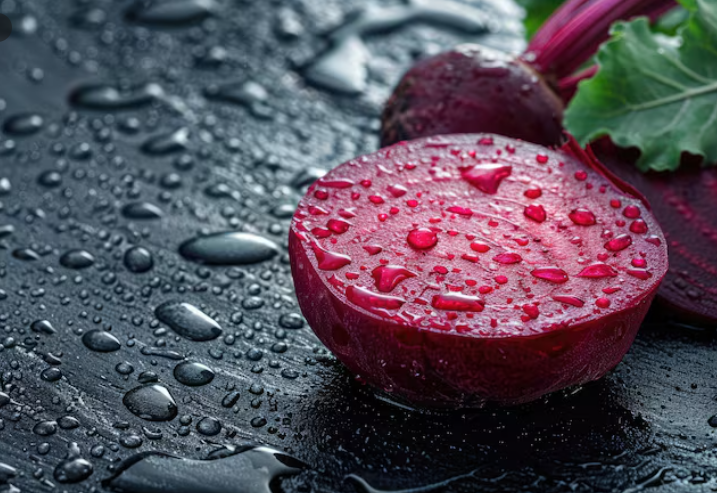
Many fruit drinks, frozen desserts, yogurts, candy and bakery decorations are identified by red and pink colors. When a manufacturer is looking to use a familiar plant source and a colour profile that is vibrant, beetroot based coloring is often considered. Despite this, it should not be used as a standalone ingredient. The actual color is dependent on the pH, temperature, exposure to air, light, water activity and the inherent color of the product base. Thus, careful testing is required prior to commercial production of the formula.
Understand the Pigment
The principal pigment of the beetroot is the betalain, especially the red-violet betacyanins, which give the distinctive color. They are not anthocyanins or carotenoids; thus, knowledge gained from other red colored materials may not be directly applicable. The first step in assessing Beetroot Colour is to establish a target color. Bright berry red and deep red-violet finishes could need various dosages or product forms. Alternatively, in some recipes, blending with another natural color can also help to create a more balanced tone.
Check Heat Exposure
Color performance of beets is greatly affected by heat. The ingredient is not very effective in heavily processed foods. Frozen dessert or a cold-filled dairy product is a challenge different from baked goods, retorted products or products at high temperatures. Trials are to be as close as possible to the full thermal process. Shade, pre-heat and post-heat and on storage, recording the color before, after and during storage, will indicate the rapid or delayed loss of color.
Test the Complete Recipe
A water-based trial can offer a first color reference, but cannot indicate performance in the actual product. Visible shade can be affected by acids, flavors, proteins, preservatives and sweeteners. The original color of the base is also important. A beige protein drink/filling for a fruit dish can have a dull pink color with a higher dosage, while a white yogurt can simply have a clean pink color with a higher dosage. It is therefore important that the same ingredient system, mixing order and solids content be used for development.
Think about Packaging & Storage
Packaging may either help preserve color or aid in color fading. Oxygen in the headspace can impact the appearance of the product during storage and clear containers allow for a greater amount of light to be exposed. It is important to test the actual bottle, cup, pouch or wrapper that will be sold to consumers and not just sealed laboratory samples. The quality of the closure, filling temperature and probably transport conditions are also of importance. Representative lighting and temperature conditions should be included in shelf-life testing, to determine if the approved color will stay suitable throughout distribution and retail display.
Control Production Consistency
Standard color strength and supplier specifications are important factors, as natural ingredients may be different in different batches. Beetroot Red formulation and production records should have the exact product code, concentration, dose and preparation method recorded. Operators should also be instructed on the procedures for weighing, addition sequence and mixing time. The visual appreciation may differ between individuals and change over time, so instrumental measurements are desirable, if available, to support the approved reference sample. Written acceptance limits allow for consistency of decision-making and investigation of complaints, processing changes or supplier substitutions.
Conclusion
The beetroot coloring gives a nice red and pink color in clean labeled products; however, it requires careful formulation and process control to achieve reliable results. The final appearance may be affected by heat, oxygen, light, packaging and interactions with other ingredients. Costly adjustments can be reduced by maintaining production trials in a realistic manner, provided that there is documentation of dosing procedures and retained shelf-life samples. Pigment strength and application assistance should also be taken into account when choosing a supplier, mainly for manufacturers making beverages, dairy foods, confectionery or bakery products. Foodrgb.com offers the right colors that can be used with natural shades and adequate technical assistance to make informed product development decisions.


